
The next chapter
A maritime industry, rising on the Gulf.
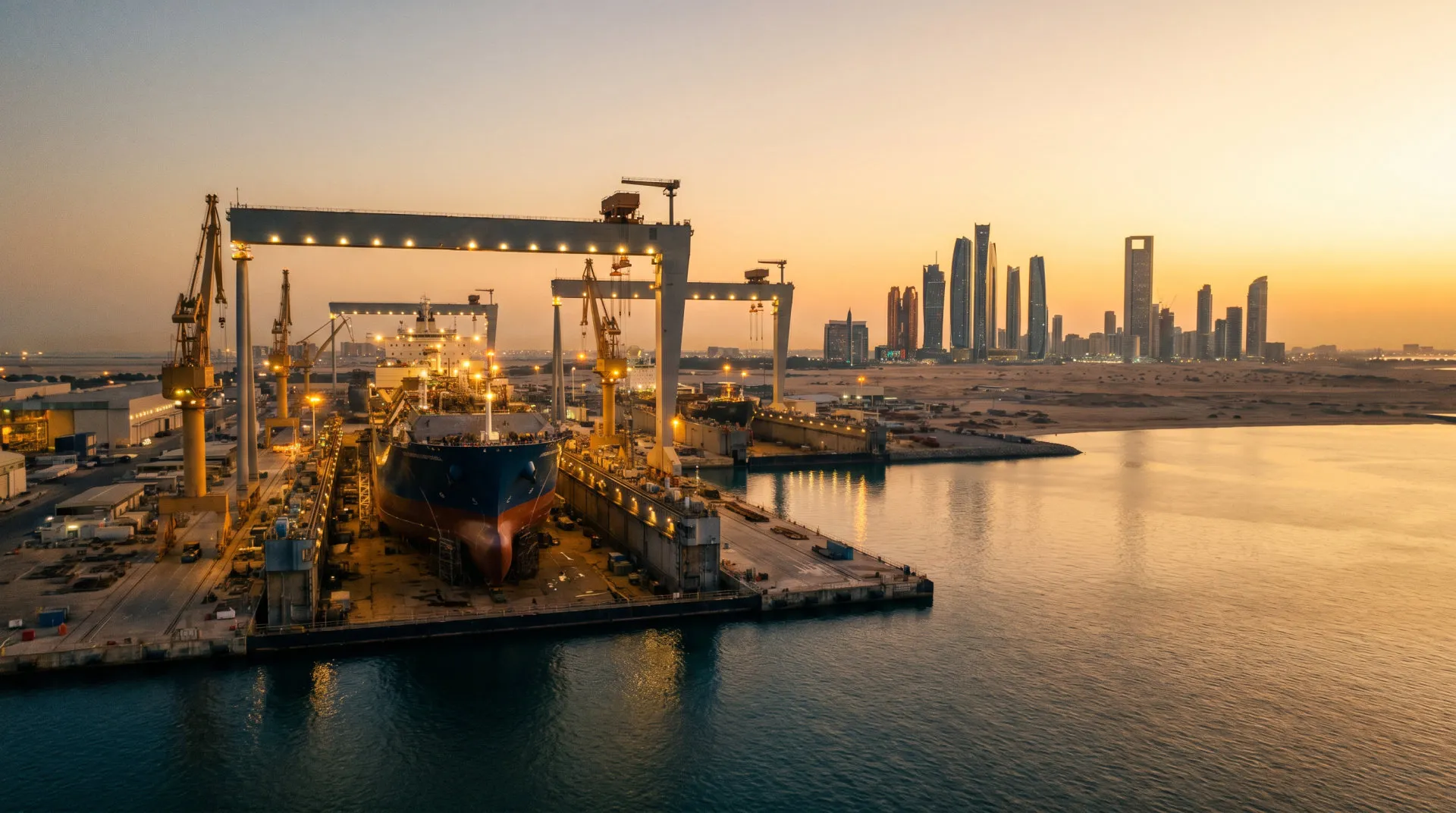
The method that built 342 ships without a dry dock now comes to the Emirates: a smart digital-twin shipyard, designed from the first stone to build, repair and launch the largest vessels afloat.
Target classes from the first order book: 47,000 and 73,000-ton tankers, Capesize bulk carriers, and very large crude carriers to 320,000 tons.
The build
Three phases. Three years.
The No.1 smart shipyard: steel stock to skid lanes sized for a VLCC and two Capesize hulls, twin 900-ton Goliath cranes, an 80,000-ton-lift floating dock. First steel is cut.
The No.2 yard: six multipurpose skid lanes, four more Goliath cranes, assembly and painting halls, and a 150,000-ton-lift floating dock at 420 metres.
The No.3 yard completes the complex: large assembly shop, a dry-dock-supported lane, and a second 150,000-ton floating dock. The program is whole.
From the shipyard master plan · figures subject to final program
More than a yard
A workforce the size of a city.
The plan provides for the people before the ships: a hospital, a mosque and dormitories stand in the master plan beside the assembly halls. A shipyard is a promise made to a generation of workers and their families.
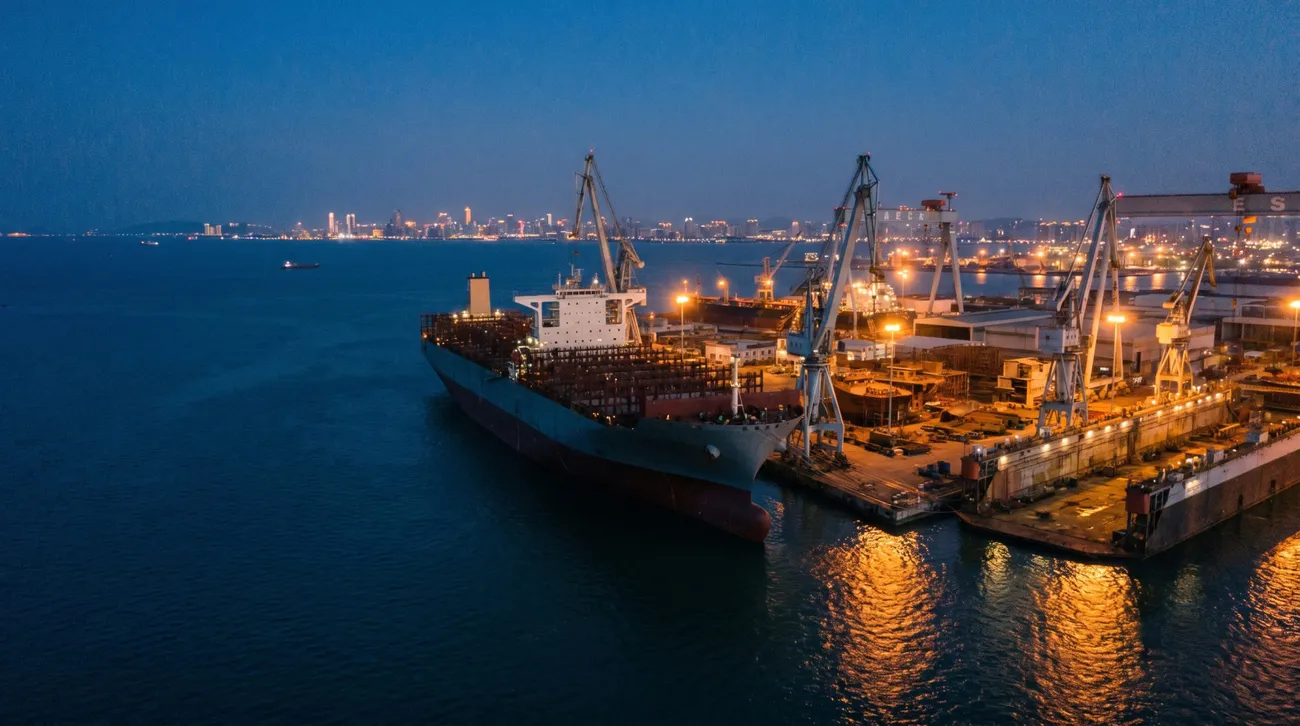
The Gulf, where the rail ends and begins
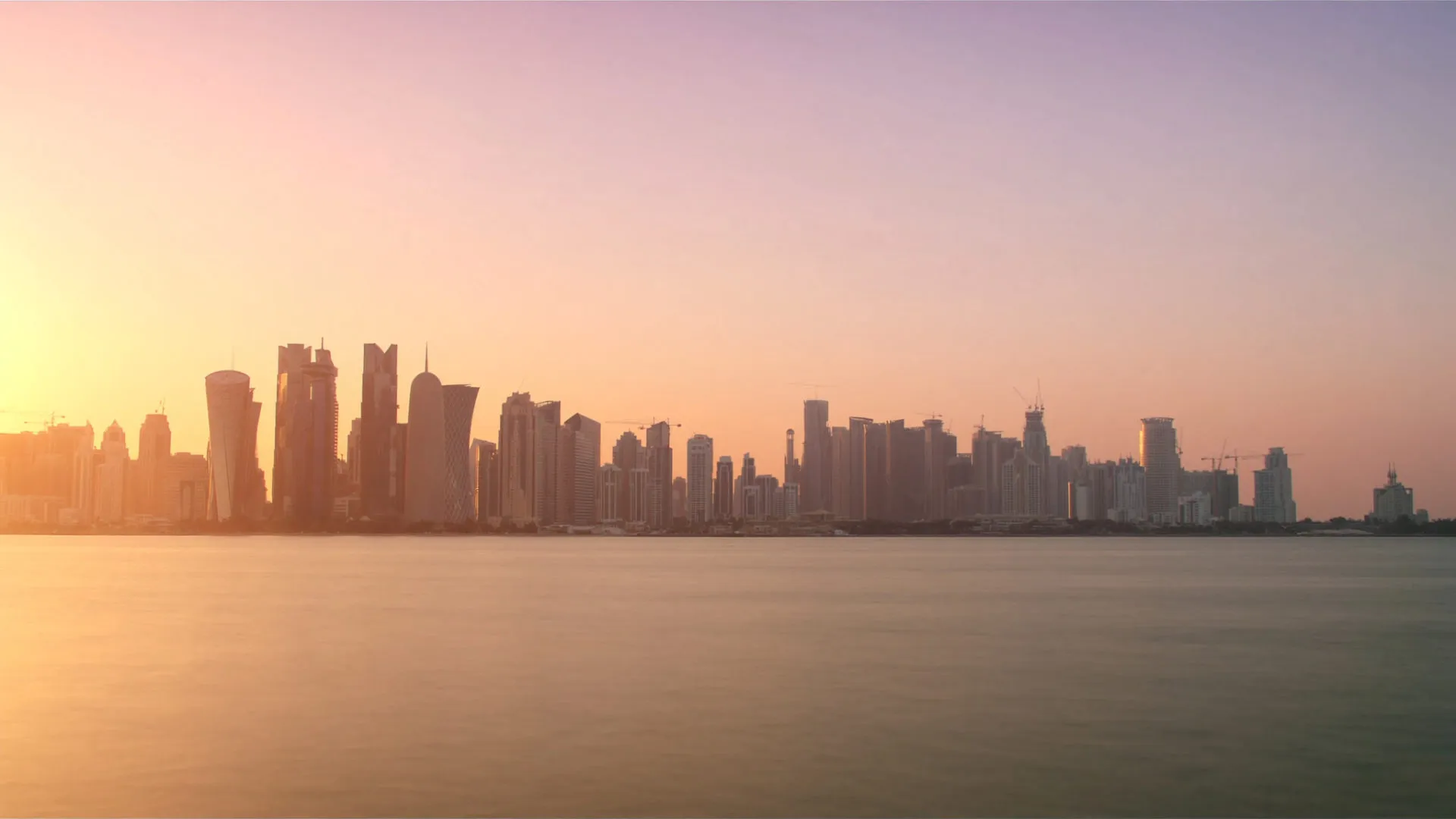
Two nations, one keel
Korea's method. The Emirates' horizon.
The program advances strategic cooperation between the Republic of Korea and the United Arab Emirates in shipbuilding, maritime logistics, energy security and industrial investment, at the highest levels of both states.
Begin a conversation